
A grandchild’s question can reach further back than we expect. How did you grow up? What did you do? For Domenico Zagaroli, those questions became a reason to preserve the world of his childhood, and the life that followed it, in a book.
[[BOOK TITLE]] is his debut memoir, an account of growing up on a family farm in a distinctive, little-known region of Italy and eventually coming to the United States. Written over years, it brings the perspective of a lifetime to experiences he wants his grandchildren, and readers beyond his family, to understand.
A particular corner of Italy.
The Italy in these pages is personal. It is the place Domenico knew by growing up there, shaped by the land his family worked and the way they lived. He writes to share that region with readers who may never have encountered it, offering the everyday viewpoint of someone for whom it was home.
The story moves from those beginnings toward the United States, where he now lives about thirty minutes north of New York City. The journey gives the memoir its reach across two countries. The connection to family gives it its center.
The food is part of the remembering.
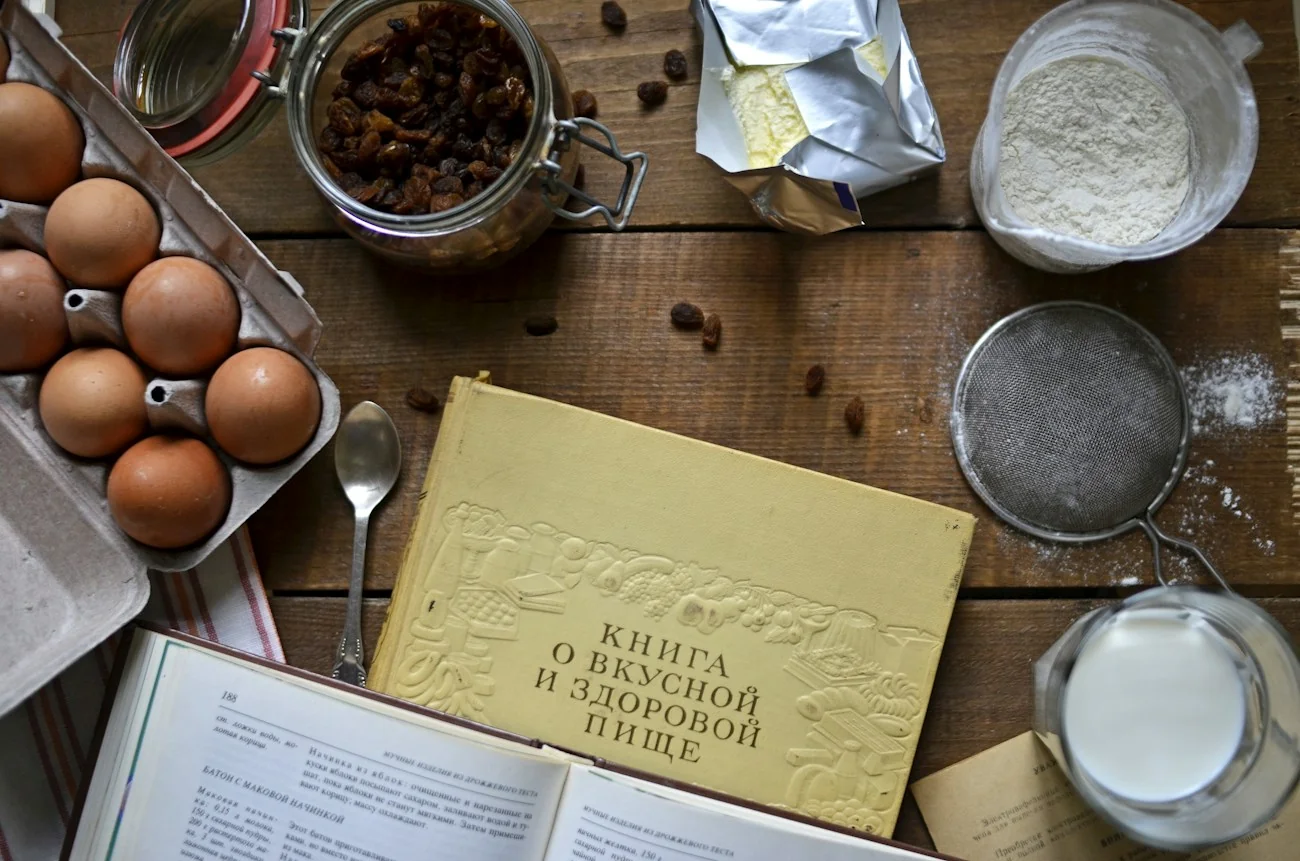
Authentic family recipes run through all ten chapters. They come from the food his family grew and cooked, and retain the character of his upbringing. Domenico’s intention is to share that cooking as he knew it, rather than turn it into an Americanized version of Italian food.
The recipes were originally collected at the end of the manuscript. In developmental editing, they were brought into the chapters themselves. This structure lets the story and the food remain in conversation: a reader encounters the recipes as part of the world the memoir is recalling.
Something to pass on.
At 73, Domenico is a first-time author, but the material behind the book has been with him for a lifetime. Finding the time to complete it meant giving those memories the attention they deserved, and making something he could share with the next generation.
His memoir invites readers into a real person’s experience, with an emphasis on honesty and heart. It also leaves room for a familiar question: what do we carry from the place where we began, and what do we want the people after us to know?
Read it for the journey, the family story, or the food. At the center of each is the same intention: to remember a life in its own character, and to welcome someone else into it.